What Are Piles (Arsha)?
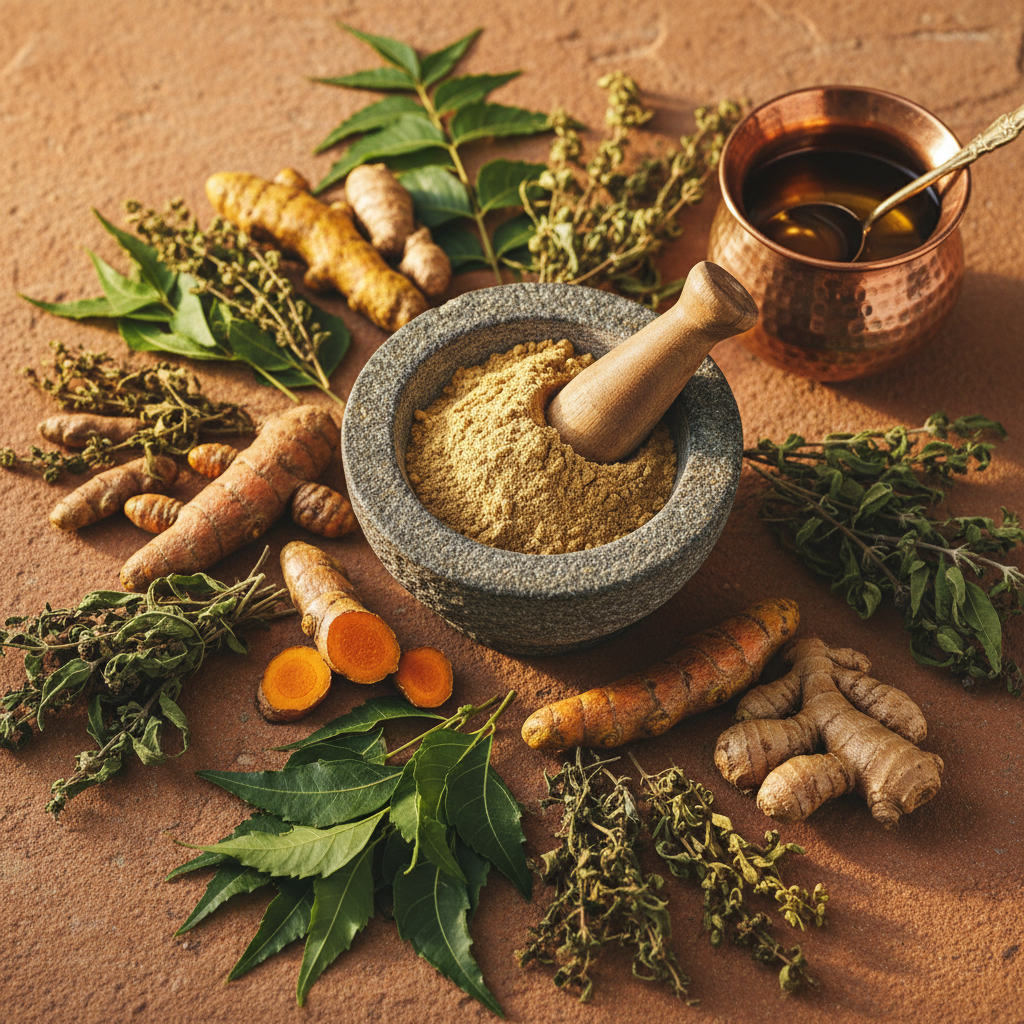
Piles, medically known as hemorrhoids and in Ayurveda as Arsha, are swollen and inflamed veins in the rectum and anus that cause discomfort, pain, and bleeding. They are among the most prevalent yet underreported conditions — affecting an estimated 75% of people at some point in their lives.
In Ayurvedic understanding, Arsha is described as a mass that "torments" the patient — the literal translation of the Sanskrit word. The condition is classified based on the dominant dosha involved and whether the piles are internal (Abhyantara Arsha) or external (Bahya Arsha), bleeding (Srava Arsha) or non-bleeding (Shushka Arsha).
Types & Grades of Piles
Small inflammations inside the anal lining. Not visible externally. Common bleeding during bowel movements.
Fully treatable with Ayurveda
Larger piles that may prolapse during straining but return inside spontaneously.
Highly responsive to Ayurvedic treatment
Prolapse outside the anus and require manual repositioning. May cause significant discomfort.
Manageable with Kshara Karma + medicines
Permanently prolapsed and cannot be pushed back. Often require surgical consideration.
Ayurvedic support before/after surgery
Common Symptoms
If you notice rectal bleeding, do not self-diagnose. Consult Dr. Mahapatra to rule out other conditions and receive an accurate diagnosis.
Root Causes — The Ayurvedic View
Ayurveda identifies that all three doshas — Vata, Pitta, and Kapha — play a role in Arsha, but the dominant dosha determines the type of treatment required:
Vata Arsha
Dry, hard, rough piles with severe pain and constipation. Dark-coloured.
Cause: Dry food, suppressing natural urges, sedentary habits
Pitta Arsha
Bleeding piles with burning sensation, inflammation, and soft texture.
Cause: Spicy foods, alcohol, excessive heat exposure
Kapha Arsha
Soft, oily, pale piles with mucus discharge and mild pain.
Cause: Heavy, oily food, obesity, low metabolism
Modern contributing factors include prolonged sitting, low-fiber diet, inadequate water intake, straining during bowel movements, pregnancy, obesity, and chronic constipation.
Ayurvedic Treatment Approach at Deep Jyoti Medical
Dr. Nilratan Mahapatra follows a classical four-pronged Ayurvedic approach to treating piles that addresses both symptoms and root causes simultaneously:
1. Bhaishajya Chikitsa (Herbal Medicines)
Classical formulations prescribed internally to reduce swelling, stop bleeding, relieve constipation, and restore normal bowel function. Key medicines include Arshoghni Vati, Abhayarishta, Triphala Churna, and Kankayan Vati.
2. Kshara Karma (Alkaline Cauterization)
A safe, minimally invasive parasurgical procedure where Apamarga Kshara (plant ash alkali) is applied directly to the hemorrhoid mass. It effectively shrinks and destroys the pile mass without general anesthesia or hospitalization. Highly effective for Grade 2 and 3 piles.
3. Pathya (Diet & Lifestyle Modifications)
A personalized high-fiber diet plan, adequate hydration, and bowel habit corrections form an essential pillar of treatment. Eliminating trigger foods and establishing a regular toilet routine is critical for preventing recurrence.
4. Virechana (Therapeutic Purgation)
For chronic and severe cases, a supervised Panchakarma detox using Virechana (controlled therapeutic purgation) clears accumulated toxins (Ama), resets the digestive system, and creates the foundation for lasting healing.
Key Ayurvedic Medicines for Piles
Arshoghni Vati
Primary anti-hemorrhoid formulation. Reduces swelling, bleeding, and mass size.
Triphala Churna
Natural laxative that regularizes bowel movements and prevents constipation.
Abhayarishta
Classical fermented tonic for digestive health, gas, and chronic piles.
Kankayan Vati
Effective for both bleeding and non-bleeding piles with abdominal discomfort.
Nagakesara
Excellent hemostatic herb to stop bleeding from hemorrhoids rapidly.
Daruharidra (Indian Barberry)
Anti-inflammatory and antimicrobial for external application in piles.
* All medicines are prescribed by Dr. Mahapatra based on individual assessment. Do not self-medicate.
Diet & Lifestyle for Piles — The Ayurvedic Way
Recommended Foods
- Whole grains — brown rice, wheat, oats
- High-fibre vegetables — spinach, bottle gourd
- Ripe papaya, figs, soaked raisins
- Buttermilk (Takra) — excellent for Arsha
- Warm water with lemon in the morning
- Moong dal — easy to digest
- Coconut water for hydration
Foods to Avoid
- Spicy foods — chilli, hot sauces
- Deep-fried and oily snacks
- Red meat and processed food
- Alcohol and caffeinated drinks
- White bread and refined maida
- Raw banana and pomegranate
- Excessive non-vegetarian food
Lifestyle Tips
- Never suppress the urge to pass stools
- Avoid sitting on the toilet for long
- Take a 15-minute walk after meals
- Drink 8–10 glasses of water daily
- Avoid prolonged sitting at work
- Practice Sitz bath (warm water soak) for relief

"Most patients who come to me with piles have been suffering silently for months, fearing surgery. In the majority of cases, we can achieve complete relief without any surgical intervention through classical Ayurvedic treatment. The key is addressing the digestive system as a whole, not just the symptom."
— Dr. Nilratan Mahapatra, BAMS (CU)
Senior Ayurvedic Consultant, Deep Jyoti Medical, Kolkata
Why Choose Ayurveda Over Surgery for Piles?
No Anesthesia
Kshara Karma is performed with local or no anesthesia.
No Hospitalization
Outpatient procedures and medicines — no hospital stays.
No Recurrence Risk
Treats root cause, not just the mass — far lower recurrence.
No Side Effects
Natural herbal formulations are safe for long-term use.
Quick Recovery
Resume daily activities immediately after Kshara Karma.
Holistic Healing
Improves entire digestive health, not just piles.

